Monsoon pests in Pakistan, and how to get ahead of them
Why flies, mosquitoes, cockroaches, rodents and termites all surge with the rains, and what a factory or warehouse can do before the first downpour.
Across most of Pakistan the monsoon arrives in July and runs into September. For anyone looking after a factory, warehouse or kitchen, it is the busiest pest season of the year. Water, warmth and waste come together, and almost every pest takes advantage at once.
The good news is that most monsoon problems are predictable, which means most of them can be prevented. The work is cheapest in May and June, before the first rain.
Why the rains bring pests
Flies
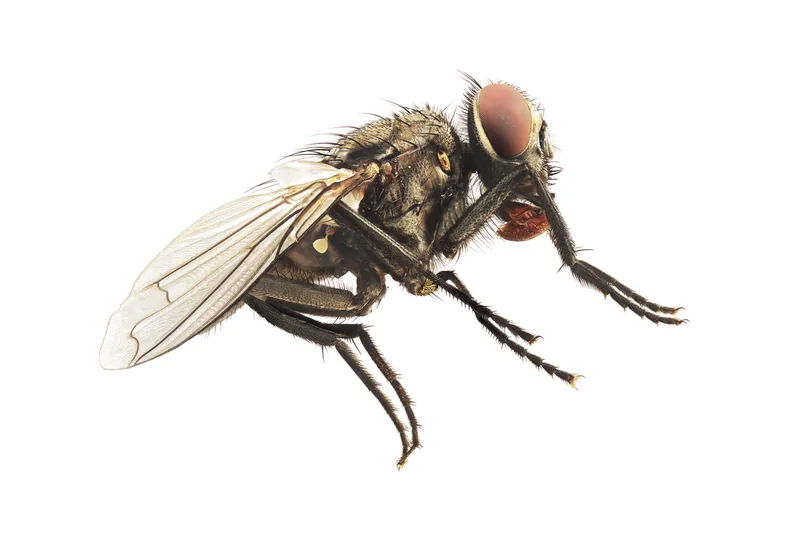
House flies breed in wet, rotting organic matter: food waste, drains, damp corners behind equipment. Warm, humid weather speeds up their breeding, so a small fly problem in June can be a large one by August. In food sites they are a contamination risk and an easy audit finding.
Mosquitoes
Mosquitoes need only a little still water to breed, and the dengue mosquito prefers clean water: a blocked roof gutter, a forgotten bucket, water sitting in a tyre or a pallet wrap. Dengue cases in Pakistan usually climb after the monsoon, so this matters for your staff as much as your product.
Cockroaches and rodents
Heavy rain floods drains and sewers. Cockroaches and rats that live in them move out, and the nearest dry, warm building with food is often a kitchen, canteen or store.
Termites
After the first rains, winged termites swarm to start new colonies. Swarms around lights or windows are a sign that a colony is nearby, and damp wood, door frames and pallets become easier targets all season.
Before the rains: a checklist
Water
- Clear roof gutters, downpipes and drain grates.
- Fix roof and pipe leaks; damp corners breed flies and attract termites.
- Walk the site once a week and empty anything holding water: buckets, tyres, plant pots, folded sheets, unused equipment.
Waste
- Keep bins lidded and away from doors.
- Collect waste more often in the monsoon months, and clean the bin area itself.
- Clean drains inside the building on a schedule, not only when they smell.
The building
- Check door seals, strip curtains and the gaps under doors; rodents need only a small gap.
- Keep doors closed, especially at night, when lights draw insects in.
- Store pallets and wood off the floor and away from walls.
Pest control
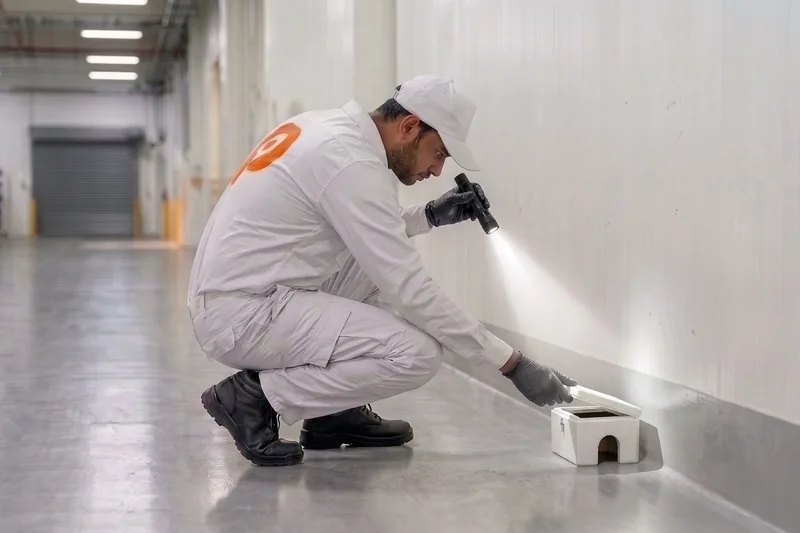
- Have insect light traps checked, catch boards changed and tubes replaced before the season, if they have not been changed in the last year.
- Ask your contractor to inspect drains and the perimeter for rodent activity before the rains, not after.
- Check for termite signs at door frames, skirting and wall joints: mud tubes, hollow-sounding wood, discarded wings.
During the season
The monsoon is when your visit reports matter most. Look for rising catch counts in flying insect traps and new rodent activity near drains and doors, and act on it the same week. If an area keeps showing activity, it usually means a source nearby (a drain, a waste point, a gap) that needs fixing, not more treatment.
Pointerz clients see every finding the same day in their portal, with photos, and a summary of the day’s work reaches their team at 9 pm. In the monsoon that makes it easier to spot a rising trend before it becomes a problem.